

What Should You Know About Bone Healing After Dental Surgery?

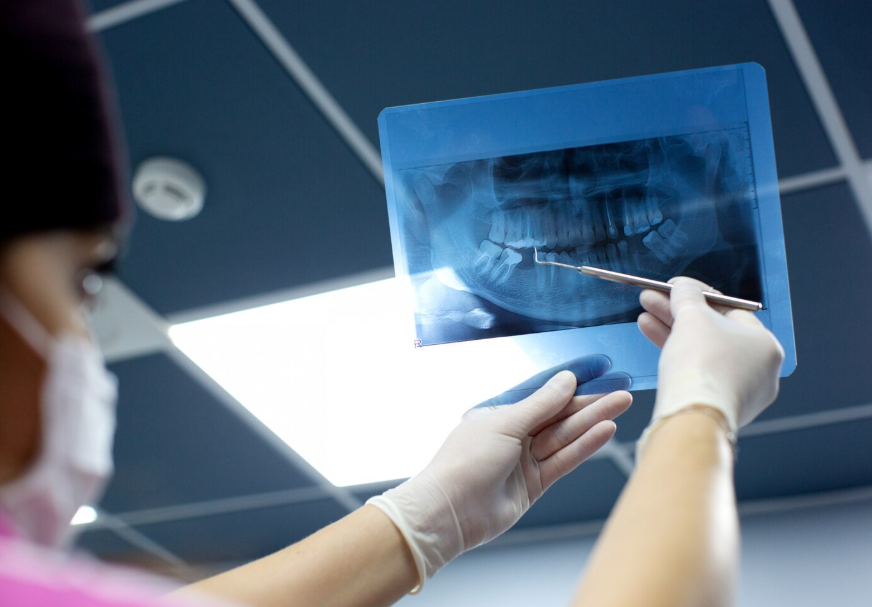
All You Know About Bone Healing After Dental Surgery.
Bone healing after dental surgery happens in overlapping stages. A blood clot forms in the first hours, gum tissue closes over the first one to three weeks, new bone starts filling the site within about four to six weeks, and full maturation takes roughly three to six months, sometimes longer after bone grafts or sinus procedures. What you do in the first week has an outsized effect on how smoothly it all goes.
If you are preparing for a tooth extraction, bone graft, gum surgery, or dental implant, it helps to know what is happening beneath the gum-line. Healing bone is not passive. It is an organized biological process, and you can support it or accidentally disrupt it.
How Does Bone Heal After Dental Surgery?
Bone in your jaw heals through the same basic sequence as bone elsewhere in the body, but the mouth adds a challenge: the surgical site is exposed to saliva, bacteria, chewing forces, and constant tongue movement.
The process moves through four overlapping phases:
- Clot formation (hours to day 3). Bleeding fills the socket or surgical site with a blood clot. This clot is the scaffold for everything that follows.
- Inflammation and cleanup (days 1 to 7). White blood cells clear debris and bacteria, and signaling molecules recruit the cells that build new tissue. Swelling and tenderness peak here.
- Tissue formation (weeks 1 to 6). Soft tissue grows over the site while immature “woven” bone begins to fill the space.
- Remodeling (months 2 to 6 and beyond). Woven bone is gradually replaced by denser, organized bone that can handle chewing forces.
This is the area Dr. Vaziri studied during his PhD in oral biology, which focused on the cellular and molecular foundations of periodontal disease and tissue regeneration. In practical terms, the biology rewards a stable clot, a clean site, good blood supply, and minimal disturbance.
How Long Does Bone Take to Heal After Dental Surgery?
Healing timelines vary depending on the dental procedure, the location of the treatment in the jaw, and the patient’s overall health. The following time frames are typical estimates, not guaranteed results.
After a simple tooth extraction, the soft tissues generally heal within 1 to 2 weeks, while the extraction socket gradually fills with new bone over approximately 3 to 4 months.
Following a surgical or wisdom tooth extraction, soft tissue healing usually takes around 2 to 3 weeks. However, bone healing may take approximately 3 to 6 months.
For socket preservation (ridge preservation) procedures, the soft tissues typically heal within 1 to 3 weeks. The grafted area often requires 3 to 6 months to heal sufficiently before dental implant placement.
After a bone graft for a dental implant site, soft tissue healing generally takes 2 to 4 weeks. Bone integration and maturation commonly require 4 to 9 months, depending on the graft size and material used.
For a sinus lift (sinus augmentation), initial soft tissue healing usually takes around 2 to 4 weeks, while bone healing and maturation often require 6 to 9 months.
Following dental implant placement, the surrounding soft tissues generally heal within 1 to 3 weeks. However, the process of osseointegration, in which the implant integrates with the jawbone, usually takes approximately 3 to 6 months.
After periodontal (gum and bone) surgery, soft tissue healing typically takes 2 to 4 weeks. Bone healing and remodeling continue over several additional months.
Your periodontist will evaluate your healing progress through a clinical examination and, when necessary, X-rays or 3D imaging to determine when it is appropriate to proceed with the next stage of treatment.
What Is Normal in the First Week?
Most people want to know what is expected and what is a red flag. Here is a practical breakdown.
Typically normal
- Mild to moderate soreness that improves each day after the first 48 to 72 hours
- Swelling that peaks around day two or three, then gradually fades
- Light oozing of blood-tinged saliva for the first day
- Some bruising of the cheek or jaw, especially after longer procedures
- A tight or stiff jaw
Worth calling your surgeon about
- Pain that gets worse after day three instead of better
- A bad taste or odor that does not go away with gentle rinsing
- Bleeding that continues despite firm pressure with gauze for 30 minutes
- Fever, or swelling that keeps increasing after day three
- Pus or a bump on the gum near the site
- A graft particle or membrane that appears loose or exposed (small graft granules can sometimes appear; mention it so your doctor can look)
A phone call is never an overreaction. Catching a problem early is almost always simpler than treating it later.
What Is a Dry Socket, and How Do You Avoid It?
Dry socket (alveolar osteitis) happens when the blood clot is lost or dissolves too early, leaving bone and nerve endings exposed. It typically appears two to four days after an extraction and causes a deep, throbbing pain that may radiate toward the ear, often with a bad taste or odor.
It is a relatively uncommon complication, affecting a small percentage of extractions overall, but risk is higher after lower wisdom tooth removal and in people who smoke.
To protect the clot:
- Do not spit forcefully, rinse vigorously, or use a straw for the first several days
- Avoid smoking, vaping, and nicotine products
- Skip hot, crunchy, or very acidic foods near the site
- Follow your surgeon’s rinse instructions exactly (many recommend starting gentle rinses after 24 hours)
Dry socket is treatable. Your dentist or surgeon can clean the site and place a medicated dressing for relief.
What Helps Bone Heal Faster and Better?
These habits have the strongest support in clinical practice and research.
1. Follow the post-operative instructions you are given
Every procedure differs. A simple extraction, a sinus lift, and a full-arch implant case each have their own rules about rinsing, brushing, diet, and activity. Your written instructions override general advice, including this article.
2. Stop smoking and nicotine, ideally before surgery
Smoking narrows blood vessels and reduces oxygen delivery to healing tissue. It is consistently linked to higher rates of dry socket, graft failure, and implant failure. Even a pause of several weeks before and after surgery is beneficial, and your clinician can help you plan one.
3. Eat for tissue repair
Bone and gum tissue need protein, vitamin C, vitamin D, calcium, and adequate calories.
Good early choices include:
- Yogurt, smoothies (with a spoon, not a straw), and soft eggs
- Mashed potatoes, soups, and well-cooked vegetables
- Soft fish, tofu, and oatmeal
Avoid popcorn, chips, nuts, seeds, and very hot foods until your surgeon clears you.
4. Keep the mouth clean without disturbing the site
Gently brush the other teeth the same evening. Use the prescribed antimicrobial rinse or warm saltwater as directed. Do not brush directly on the surgical area until you are told it is safe.
5. Rest and limit strenuous activity
Heavy exercise raises blood pressure and can restart bleeding or increase swelling. Most people can return to light activity in a few days, but ask about your specific case.
6. Stay on top of medical conditions
Well-controlled blood sugar matters for people with diabetes, since high glucose slows healing and raises infection risk. Tell your surgeon about all medications, including bisphosphonates or other bone-active drugs, blood thinners, and steroids.
What Can Slow Bone Healing?
- Smoking and vaping
- Poorly controlled diabetes
- Active gum disease or infection near the site
- Certain medications, such as long-term corticosteroids, some osteoporosis drugs, and some cancer therapies
- Radiation therapy to the head and neck
- Nutritional deficiencies, including low vitamin D
- Heavy alcohol use
- Excess pressure on the site, such as a poorly fitting temporary denture or chewing on the wrong side
- Missing post-op visits, which allows small problems to grow
Age alone does not prevent healing, but healing may be somewhat slower in older adults, which is another reason to keep follow-up appointments.
Why Does Bone Shrink After a Tooth Is Removed?
When a tooth is lost, the jawbone around it no longer receives the stimulation it needs, and the ridge begins to resorb (shrink). Studies show that much of this change happens within the first few months and can be substantial in both width and height.
This matters because enough bone volume is needed to place a dental implant securely and to keep a natural-looking gum-line. Two common ways periodontists address this:
- Socket preservation (ridge preservation): placing graft material and a membrane in the socket at the time of extraction to maintain the ridge shape
- Guided bone regeneration (GBR): rebuilding lost bone before or during implant placement using graft material and a barrier membrane
If an implant is in your future, ask about ridge preservation before the tooth comes out. Planning early often means fewer procedures later.
What Happens During Bone Graft Healing?
A bone graft does not instantly become bone. It acts as a scaffold that your own cells gradually invade and replace.
- Weeks 1 to 4: The gum closes over the graft, and early blood vessels grow in. Protecting the site is critical.
- Months 2 to 4: Your body builds new bone around and within the graft particles.
- Months 4 to 9: The graft matures and integrates, with timing depending on graft size, material, and location.
Graft materials may come from your own bone, a human donor source, an animal-derived source, or a synthetic product. Your periodontist chooses based on the defect, the goals, and your preferences.
How Does Bone Heal Around a Dental Implant?
A titanium or zirconia implant becomes stable through osseointegration, the direct bonding of living bone to the implant surface. Stability comes in two waves. First, mechanical grip when the implant is placed. Then, over about 3 to 6 months, biological bonding as new bone forms against the surface.
Whether the final crown is placed right away or after a healing period depends on bone quality, implant stability, and the location in the mouth. Your surgeon will tell you when the implant is ready to bear the chewing load.
A Realistic Example: Extraction and Implant Planning
Consider a patient with a fractured upper molar that cannot be saved.
- The tooth is removed and the socket is grafted to preserve the ridge.
- For the first week, the patient eats soft foods, avoids straws, and rinses gently as instructed.
- At a two-week visit, the gum is checked and sutures are removed if needed.
- At about four months, imaging shows enough bone volume for implant placement.
- After another few months of osseointegration, the final crown is attached.
Total time is often longer than people expect, but each stage protects the long-term result. Rushing the biology is the most common way implants run into trouble.
When Should You See a Periodontist?
General dentists perform many extractions and implants successfully. Consider a periodontist, a specialist in gums, supporting bone, and implant surgery, when you have:
- Significant bone loss or gum recession
- A history of periodontal disease
- Complex grafting needs, such as sinus lifts or ridge rebuilding
- Health conditions that complicate healing
- A previous implant or graft that did not heal as expected
At Potomac Periodontics and Implant Aesthetics Center, Dr. Shahram Vaziri brings more than 25 years of combined clinical and academic experience, plus advanced training in the biology of tissue regeneration, to these cases. The goal is always a healing plan built around your anatomy and health history, not a one-size-fits-all protocol.
Frequently Asked Questions
Q. How long does it take for bone to heal after tooth extraction?
A. Soft tissue usually closes in one to three weeks, and the socket fills with new bone over about three to four months. Bone continues to remodel and mature for several months beyond that.
Q. What are the signs that bone is healing properly?
A. Pain and swelling decrease after the first three days, the gum tissue looks pink and closed, and there is no persistent bad taste, pus, or worsening pain. Your dentist confirms bone healing with a clinical exam and X-rays.
Q. What does dry socket feel like?
A. Dry socket causes severe, throbbing pain that begins two to four days after extraction and may spread to the ear or jaw. It is often accompanied by a bad taste or odor, and the socket may look empty. Call your dentist promptly for treatment.
Q. How long does a dental bone graft take to heal?
A. Most bone grafts need roughly four to nine months to mature, depending on the size of the graft, the material, and the location. Sinus lift grafts often fall toward the longer end, around six to nine months.
Q. What should I eat after dental surgery to help healing?
A. Choose soft, protein-rich, nutrient-dense foods such as yogurt, eggs, smoothies eaten with a spoon, soups, and mashed vegetables. Avoid hard, crunchy, spicy, and very hot foods near the surgical site until your surgeon approves.
Q. Does smoking really affect bone healing?
A. Yes. Smoking reduces blood flow and oxygen to healing tissue and raises the risk of dry socket, infection, graft failure, and implant failure. Avoiding nicotine before and after surgery gives the site its best chance.
Q. When can I exercise after dental surgery?
A. Most people can resume light activity after a few days, but vigorous exercise is often restricted for about a week or longer, since it can increase bleeding and swelling. Follow your surgeon’s specific guidance.
Q. Can bone regrow after tooth loss?
A. The socket itself heals with new bone, but the ridge still shrinks over time without intervention. Procedures like socket preservation and guided bone regeneration can maintain or rebuild bone volume for future implants.
Detailed Summary: Bone Healing After Dental Surgery
Purpose: The article is an educational, search-optimized guide from Potomac Periodontics and Implant Aesthetics Center. It explains what happens to jawbone after extractions, grafts, implants, and periodontal surgery, how long recovery takes, and how patients can support it. It is credited to the clinical team and reviewed by Dr. Shahram Vaziri, whose 25+ years of experience and PhD in oral biology back its authority.
Core Message
Bone healing happens in overlapping stages: a blood clot forms in the first hours, gum tissue closes over 1 to 3 weeks, new bone starts filling the site by about 4 to 6 weeks, and full maturation takes roughly 3 to 6 months. It can take up to 9 months after larger grafts or sinus lifts. What patients do in the first week strongly affects the outcome.